

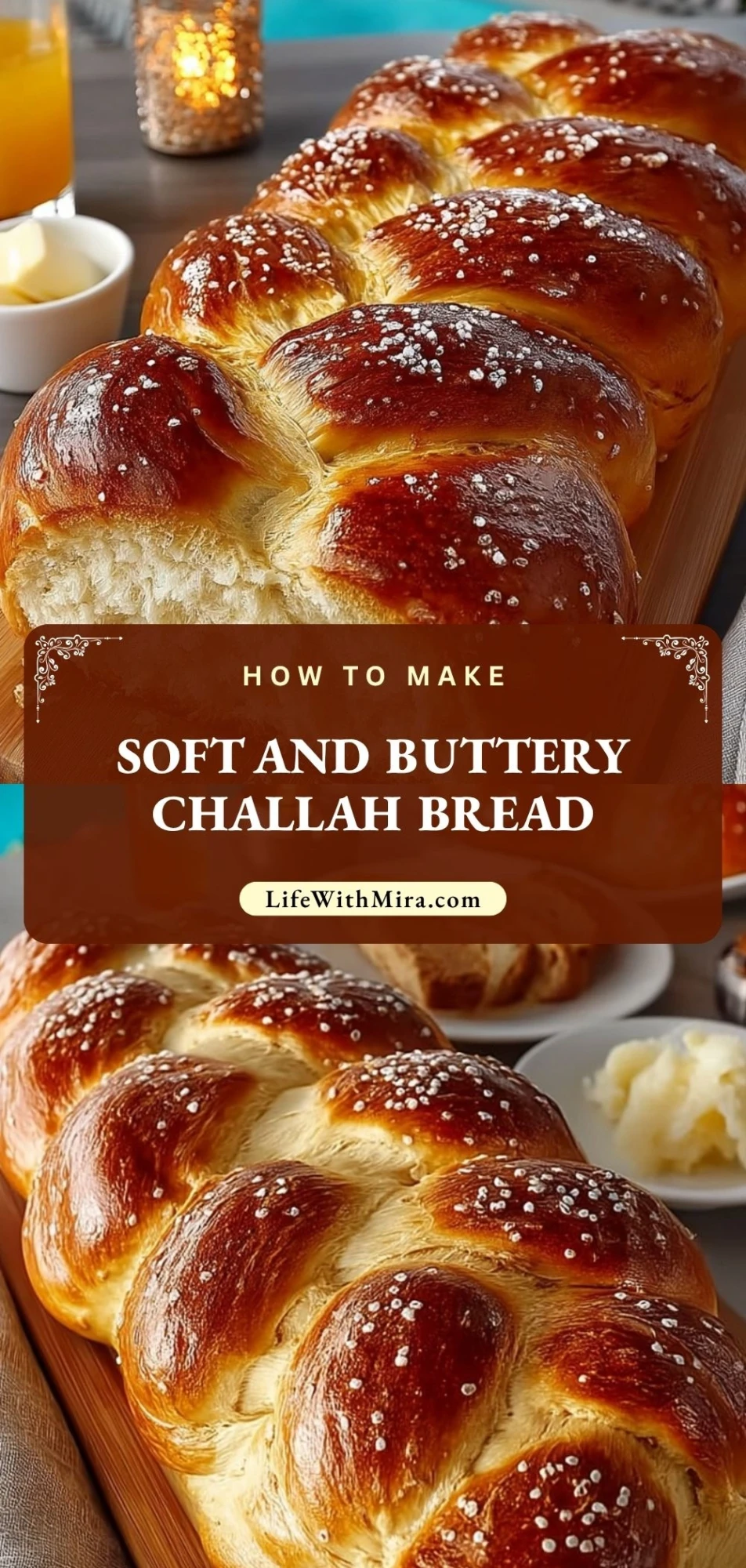
Soft And Buttery Challah Bread is the kind of homemade bread that turns a simple table into something warm and memorable. It bakes into a glossy braided loaf with a golden crust, a tender pull-apart crumb, and just enough richness to feel special without becoming heavy.

This loaf is lovely for weekend baking, holiday meals, brunch boards, French toast, sandwiches, or simply tearing into while it is still slightly warm. The dough is soft, enriched with eggs and butter, and easy to shape once it has had time to rise into something smooth, stretchy, and beautiful.
Why You’ll Love This Soft And Buttery Challah Bread
This challah bread has that bakery-style look, but the process is very friendly for a home kitchen. The dough starts with basic pantry ingredients, then slowly turns into a plush, elastic dough that braids beautifully and bakes with a deep golden shine.
You will love the texture most of all. Each slice is soft and slightly sweet with a buttery finish, making it just as good plain as it is toasted with jam, honey, or salted butter. It also holds up well for breakfast recipes the next day, especially if you want a rich bread for French toast or bread pudding.
Another reason this loaf is worth making is how versatile it is. Serve it with dinner, slice it thick for brunch, turn leftovers into croutons, or use it as a tender sandwich bread. It feels impressive, but it does not require complicated tools or professional baking skills.
What Makes Challah Bread So Soft And Buttery?
The softness comes from an enriched dough, which means the bread includes ingredients like eggs, butter, sugar, and milk or water along with flour and yeast. Eggs help create a tender, golden crumb, while butter adds richness and a softer bite.
The rise time also matters. Challah needs enough time for the gluten to relax and strengthen, which makes the dough easier to braid and helps the baked loaf stay light instead of dense. A patient rise gives the bread its pillowy texture and that beautiful tearable crumb.
The glossy top comes from an egg wash brushed over the braid before baking. That final step gives the loaf its signature shine and helps the crust brown evenly in the oven.
Ingredients for the Soft And Buttery Challah Bread
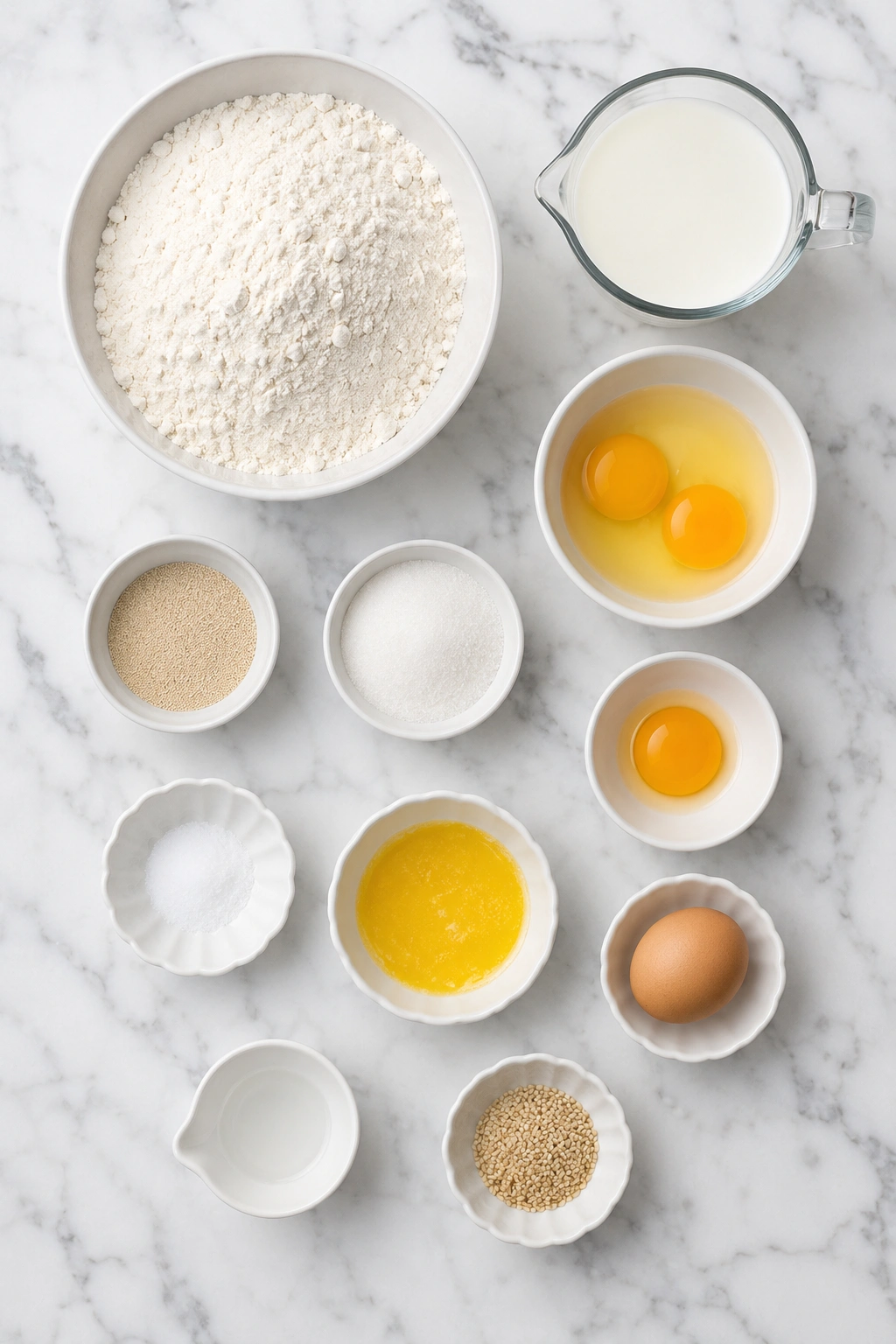
Every ingredient in this Soft And Buttery Challah Bread plays a role in the final loaf, from the golden color to the rich flavor and soft texture. This section explains what each ingredient does, while the exact quantities are saved for the printable recipe card below.
Bread flour gives the loaf structure and chew. All-purpose flour can work too, but bread flour creates a stronger dough that braids well and holds its shape as it rises.
Active dry yeast helps the dough rise and creates that airy, tender interior. Make sure your yeast is fresh so the loaf rises properly.
Warm milk adds moisture, softness, and a little richness. It helps create a tender crumb and gives the bread a slightly more buttery feel.
Granulated sugar feeds the yeast and adds a gentle sweetness. Challah should taste lightly sweet, not dessert-sweet, so the sugar balances the butter and eggs.
Eggs give challah its signature golden color and soft, enriched texture. They also help the dough become smooth and elastic.
Unsalted butter makes the bread rich, soft, and flavorful. It should be melted and cooled slightly so it blends into the dough without overheating the yeast.
Fine salt balances the sweetness and brings out the bread’s buttery flavor. It also helps control the yeast so the dough rises steadily.
Egg wash gives the braided loaf its glossy, golden crust. Brushing it over the dough before baking is the secret to that polished bakery-style finish.
Sesame seeds or poppy seeds are optional, but they add a pretty finish and a little nutty flavor on top.
How To Make the Soft And Buttery Challah Bread
This method walks you through the full process in a calm, detailed way so the dough feels manageable from the first mix to the final braid. Give the dough time, use a light hand when shaping, and let the loaf rise until it looks puffy before baking.
Step 1: Wake Up the Yeast
In a large mixing bowl, combine warm milk, sugar, and yeast. Let the mixture sit until it looks foamy on top. This tells you the yeast is active and ready to help the dough rise.
The milk should feel warm, not hot. If it is too hot, it can weaken the yeast. If it is too cool, the yeast may take longer to activate.
Step 2: Mix the Enriched Dough
Add the eggs, melted butter, salt, and most of the flour to the yeast mixture. Stir until a shaggy dough forms. Add the remaining flour gradually as needed, just until the dough begins to pull away from the sides of the bowl.
The dough should feel soft and slightly tacky, not dry. Avoid adding too much flour at once because enriched dough becomes smoother as it is kneaded.
Step 3: Knead Until Smooth
Knead the dough by hand on a lightly floured surface or use a stand mixer with a dough hook. Continue kneading until the dough becomes smooth, elastic, and springy.
A properly kneaded dough should stretch without tearing quickly. This helps the challah bake into a soft loaf with a beautiful, even crumb.
Step 4: Let the Dough Rise
Place the dough in a lightly greased bowl and cover it with a clean towel or plastic wrap. Let it rise in a warm spot until it doubles in size.
This first rise gives the dough flavor and softness. Depending on the temperature of your kitchen, it may rise quickly or need more time, so watch the dough rather than the clock.
Step 5: Divide and Shape the Strands
Gently punch down the dough and turn it onto a lightly floured surface. Divide it into three equal pieces for a simple braid. Roll each piece into a long rope, keeping the thickness as even as possible.
Try not to pull too hard while rolling. If the dough resists, let it rest for a few minutes, then continue shaping.
Step 6: Braid the Loaf
Pinch the three ropes together at the top, then braid them like you would braid hair. Keep the braid snug but not tight so the dough has room to expand during the second rise.
Tuck the ends underneath the loaf to create a neat shape. Transfer the braid to a parchment-lined baking sheet.
Step 7: Let the Braided Loaf Rise Again
Cover the shaped loaf loosely and let it rise until puffy. It should look fuller and softer, but it does not need to double completely.
This second rise is what keeps the braided loaf light instead of compact. Do not rush it, especially if your kitchen is cool.
Step 8: Brush and Bake
Brush the loaf with egg wash, making sure to coat the sides and creases of the braid. Sprinkle with sesame seeds or poppy seeds if using.
Bake until the challah is deeply golden and sounds hollow when tapped on the bottom. Let it cool before slicing so the crumb sets properly.
How To Serve Soft And Buttery Challah Bread
This Soft And Buttery Challah Bread makes one large braided loaf and feeds about 10 to 12 people, depending on how thick you slice it. For a brunch table, plan on thinner slices with butter, jam, honey, or cream cheese. For dinner, cut thicker slices and serve them with soup, roasted chicken, salads, or holiday mains.
It is also wonderful toasted. The buttery crumb turns lightly crisp on the edges while staying soft in the center. Use leftover slices for French toast, breakfast sandwiches, grilled cheese, bread pudding, or homemade croutons.
For a beautiful table presentation, place the whole braid on a wooden board and let guests pull or slice pieces as they serve themselves. A little softened butter and flaky salt on the side makes it feel extra special.
How To Store Soft And Buttery Challah Bread
Store cooled challah at room temperature in an airtight bag or wrapped tightly in plastic wrap for up to 3 days. Keep it away from direct heat or sunlight so the bread does not dry out too quickly.
For longer storage, freeze the loaf or individual slices. Wrap the bread tightly in plastic wrap, then place it in a freezer-safe bag. It freezes well for up to 2 months. Slices are especially convenient because you can thaw only what you need.
To refresh room-temperature challah, warm slices in a toaster or place the loaf in a low oven for a few minutes. For frozen slices, toast directly from frozen or thaw at room temperature first.
Avoid refrigerating challah if possible. The refrigerator tends to make bread stale faster, even though it may seem like it should keep it fresh.
Frequently Asked Questions
Can I make this challah bread without a stand mixer?
Yes, you can knead the dough by hand. It may take a little longer, but the dough will come together beautifully with steady kneading. Start with a lightly floured surface and use gentle pressure, folding and pushing the dough until it becomes smooth and elastic.
If the dough feels sticky at first, avoid adding too much flour right away. Enriched dough often becomes easier to handle after a few minutes of kneading.
Why did my challah turn out dense?
Dense challah usually happens when the dough did not rise long enough, too much flour was added, or the yeast was not active. Make sure the yeast foams before mixing the dough, and let the dough rise until it looks visibly doubled during the first rise.
The second rise is important too. If the braided loaf goes into the oven before it becomes puffy, the finished bread can feel heavy instead of soft.
Can I make the dough ahead of time?
Yes. After kneading, place the dough in a lightly greased bowl, cover it tightly, and refrigerate it overnight. The cold rise develops flavor and makes the dough easier to shape the next day.
When you are ready to bake, let the dough sit at room temperature until it softens slightly, then shape, braid, rise again, and bake as directed.
Can I use all-purpose flour instead of bread flour?
Yes, all-purpose flour can be used. The loaf may be slightly softer and less chewy, but it will still taste delicious. Bread flour gives a stronger structure, which helps the braid hold its shape a little better.
If using all-purpose flour, add the last bit of flour slowly and stop when the dough is soft and only slightly tacky.
How do I know when challah is fully baked?
The loaf should be deeply golden on top and sound hollow when tapped on the bottom. If you use an instant-read thermometer, the center should be around 190°F.
Let the loaf cool before slicing. Cutting too soon can make the inside seem gummy because the steam has not had time to settle.
Want More Homemade Bread Ideas?
If you love this soft braided loaf, you may enjoy these other cozy bread and baking favorites from Life With Mira:
• Easy Garlic Naan Bread for a soft skillet bread with buttery garlic flavor.
• Easy Homemade Naan Bread when you want a simple, pillowy flatbread for dinners and dips.
• Olive Bread With A Golden Crust And Briny Bite for a savory loaf with a rustic feel.
• Pumpkin Bread if you are craving a sweet quick bread with cozy spice.
Save This Pin For Later
📌 Save this Soft And Buttery Challah Bread to your Pinterest bread board so you can come back to it whenever you want a glossy homemade loaf for brunch, holidays, or cozy weekend baking.
And let me know in the comments how yours turned out. Did you keep the braid simple, add seeds on top, or turn leftovers into French toast?
I love hearing how others make these recipes their own. Questions are welcome too, and you can find more daily recipes from Life With Mira.
Soft And Buttery Challah Bread
- Total Time: 2 hours 50 minutes
- Yield: 1 large loaf, about 12 slices
- Diet: Vegetarian
Description
Soft And Buttery Challah Bread is a golden braided homemade bread with a tender, rich crumb and a glossy bakery-style crust. This easy recipe is perfect for breakfast ideas, brunch boards, holiday dinners, cozy food ideas, and homemade bread lovers who want a soft buttery loaf that slices beautifully and tastes amazing fresh, toasted, or turned into French toast.
Ingredients
1 cup warm whole milk
2 1/4 teaspoons active dry yeast
1/4 cup granulated sugar
2 large eggs
1 large egg yolk
1/4 cup unsalted butter, melted and slightly cooled
4 cups bread flour
1 1/2 teaspoons fine salt
1 large egg, for egg wash
1 tablespoon water, for egg wash
1 tablespoon sesame seeds or poppy seeds, optional
Instructions
1. Combine warm milk, yeast, and sugar in a large bowl. Let it sit for 5 to 10 minutes, until foamy.
2. Add the eggs, egg yolk, melted butter, flour, and salt. Mix until a soft dough forms.
3. Knead the dough for 8 to 10 minutes by hand, or 6 to 8 minutes with a dough hook, until smooth and elastic.
4. Place the dough in a lightly greased bowl, cover, and let it rise for 1 1/2 to 2 hours, or until doubled in size.
5. Punch down the dough gently and divide it into 3 equal pieces. Roll each piece into a long rope.
6. Pinch the ropes together at the top and braid the loaf. Tuck the ends underneath and place the braid on a parchment-lined baking sheet.
7. Cover loosely and let the braided loaf rise for 35 to 45 minutes, until puffy.
8. Preheat the oven to 350°F. Whisk the egg with water and brush it over the loaf. Sprinkle with seeds if using.
9. Bake for 28 to 32 minutes, until deeply golden and baked through.
10. Cool for at least 30 minutes before slicing.
Notes
For the softest challah, avoid adding too much flour. The dough should feel soft and slightly tacky before the first rise.
Let the braided loaf rise until noticeably puffy before baking. This helps prevent a dense texture.
Cool the bread before slicing so the crumb sets properly and does not turn gummy.
- Prep Time: 35 minutes
- Cook Time: 30 minutes
- Category: Bread
- Method: Baking
- Cuisine: Jewish-inspired
Nutrition
- Serving Size: 1 slice
- Calories: 245
- Sugar: 5g
- Sodium: 310mg
- Fat: 7g
- Saturated Fat: 4g
- Unsaturated Fat: 3g
- Trans Fat: 0g
- Carbohydrates: 38g
- Fiber: 1g
- Protein: 7g
- Cholesterol: 65mg
Keywords: soft challah bread, buttery challah bread, homemade challah, braided bread, easy bread recipe, breakfast ideas, brunch bread, homemade bread
